Happy Hawloween: A Designer’s Review for Embroidery
As an embroidery designer who spends more time staring at digitized paths than I do sleeping, I have learned to be skeptical of cute concepts. The market is flooded with seasonal graphics that look charming on a screen but turn into a tangled mess under the needle. When I first pulled up the Happy Hawloween design files, my initial reaction was cautious curiosity. The concept—a funny dog quote paired with festive imagery—promises high engagement for autumn crafters, but the real test is always in the stitching.
This review breaks down how this specific machine embroidery design performs in real-world applications. I am not just looking at the aesthetic; I am evaluating its viability for commercial embroidery, small batch production, and personalized gifts. If you are an Etsy seller or a boutique owner preparing your holiday inventory, understanding the technical behavior of these design assets is crucial before you commit to hooping your best fabrics.
First Impressions: Mood and Visual Personality
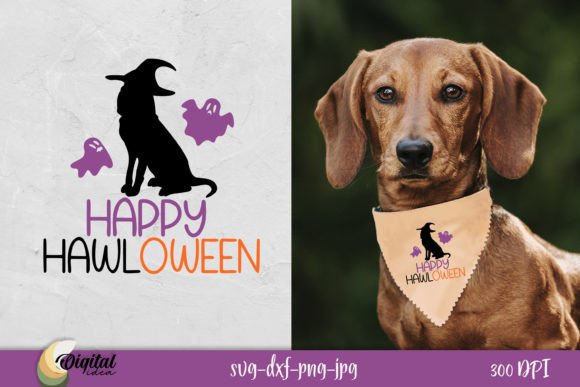
The immediate appeal of Happy Hawloween lies in its playful juxtaposition. Halloween designs often lean too heavily into spooky or gore-themed aesthetics, which limits their commercial shelf life. This design, however, taps into the "cozy spooky" trend that dominates social media every October. The inclusion of a dog element adds a layer of warmth and relatability. For a handmade product, this emotional connection is vital. Customers do not just buy embroidery; they buy the feeling it evokes.
Visually, the layout appears balanced. The typography seems designed to complement the graphic elements rather than compete with them. In the context of Crafts and digital Graphics, this balance is often overlooked, leading to cluttered final products. Here, the negative space feels intentional, suggesting that the digitizer considered how the thread would lay on fabric. The mood is lighthearted, making it suitable for a wide demographic, from young adults looking for quirky decor to parents seeking non-scary holiday items for children.
Real-World Application: From Screen to Stitch
To truly evaluate an embroidery file, you must imagine it on actual goods. I visualized Happy Hawloween on a few key items to test its versatility.
- Sweatshirt Embroidery: This is perhaps the strongest use case. The design’s scale seems appropriate for the left chest or a larger back placement on a crewneck. The texture of fleece or cotton blend provides a stable base for the stitches, allowing the details to pop without sinking into the fabric.
- Tote Bag Design: Canvas totes are staples for small shop products. The bold lines of the dog and text should hold up well against the coarse weave of canvas. However, I would recommend a cut-away stabilizer to prevent distortion during heavy use.
- Embroidered Patch: Creating iron-on or velcro patches is a lucrative niche. This design’s contained shape makes it ideal for patch creation. You can satin stitch the border for a clean finish, turning it into a versatile accessory that customers can move between jackets and bags.
- Baby Embroidery: While the theme is Halloween, the cute dog motif makes it gentle enough for older toddlers. A onesie or a small blanket could feature a scaled-down version, though care must be taken with stitch density on delicate skin-contact items.
When preparing a custom order, such as a personalized gift for a dog lover, this design offers a ready-made solution that feels bespoke. It saves the designer hours of digitizing time while still offering a unique look compared to generic store-bought decor.
Technical Considerations and Stitching Clarity
Every designer knows that a pretty JPEG does not guarantee a good stitch-out. The provided zip folder includes SVG, DXF, EPS, PDF, JPEG, and PNG formats. For embroidery machines, you will need to ensure you have the correct proprietary format (such as PES, DST, or JEF) compatible with your specific machine. If these are not explicitly listed in the package, you must verify compatibility or use conversion software carefully, as auto-digitizing often ruins stitch flow.
Assuming the file is properly digitized for embroidery, here are the technical factors I would monitor:
- Stitch Density: Halloween themes often involve black threads. If the fill stitch density is too high on dark fabric, you risk perforating the material or creating a stiff, cardboard-like feel. I recommend testing on scrap fabric first to check if the design pulls the material.
- Small Details: Dog features, such as eyes or noses, can be tricky. If these are tiny satin stitch columns, they may snag or break during washing. Inspect the preview closely. If the details are too fine, consider simplifying them or using a running stitch outline instead of a fill for smaller elements.
- Thread Color Contrast: The success of this design hinges on contrast. On a black hoodie, you will need bright oranges, whites, or neons to make the Happy Hawloween text readable. On light fabrics, deep purples and blacks will work well. Always test your thread colors against your chosen fabric background before starting a production run.
Where to Use Caution
While versatile, this design is not universal. I would advise caution when applying it to:
- Stretchy Fabrics: Jerseys and spandex blends require significant stabilization. Without a proper hoop and stabilizer combination, the circular or curved elements of the design may pucker.
- Curved Surfaces: Caps and hats present a challenge due to the curved seam. If the design is wide, it may distort around the front panel. Ensure the width fits within the standard cap hoop area.
- Thin or Sheer Fabrics: Avoid using this on lightweight linens or silks unless you are an advanced embroiderer. The weight of the thread may cause the fabric to gather or tear.
Commercial Value and Brand Consistency
For creative entrepreneurs, the value of a design extends beyond aesthetics. Does it sell? The "funny dog" angle taps into the evergreen pet niche, which combined with seasonal urgency, creates a strong sales driver. Using Happy Hawloween in your printable mockup previews can significantly boost click-through rates on platforms like Etsy.
Furthermore, consistency in quality builds customer trust. If you deliver a crisp, well-stitched product, buyers are more likely to return for future holidays. This design supports that goal by offering clear lines and a professional appearance, provided you manage the technical execution well. It enhances the perceived value of your finished product, allowing you to price your items competitively while maintaining healthy margins.
Final Designer Notes
Before launching this design in your craft business, take these practical steps:
- Check Licensing: Confirm whether the license allows for commercial use of finished physical items. Most designers allow this, but restrictions on reselling the digital file itself are standard. Never assume; always read the terms.
- Test Wash: Stitch a sample, wash it, and dry it. Check for thread breakage or fabric distortion. This step is non-negotiable for professional sellers.
- Mockup Variety: Create previews on both light and dark garments. Show potential buyers how the design adapts to different styles.
In conclusion, Happy Hawloween is a promising addition to any autumn embroidery portfolio. It balances humor with seasonal spirit, offering flexibility across various embroidery projects. By respecting the technical limitations of your machine and materials, you can transform this digital asset into a standout personalized gift or best-selling shop item. Happy stitching!