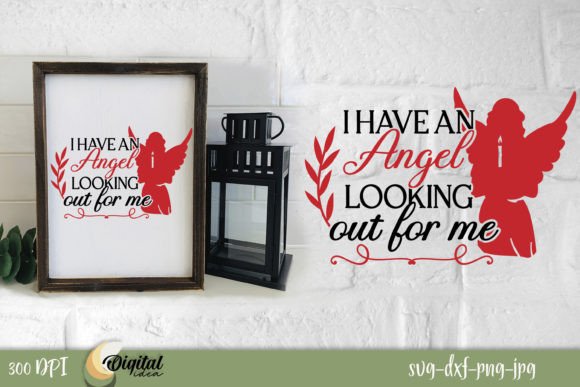
I Have an Angel: A Designer’s Review for Real Embroidery
As a designer who spends more time staring at stitch simulations than I do sleeping, I have learned to be skeptical of digital assets. We download hundreds of files, but only a fraction make it into our final embroidery project workflows. When I first opened the folder for I Have an Angel, I was looking for more than just a pretty picture. I was looking for structural integrity, emotional resonance, and practical usability for my clients. This isn’t just another graphic; it is a memorial piece, which means the stakes for quality are significantly higher. Here is my honest assessment of how this design holds up in the real world of machine embroidery.
First Impressions: Mood and Visual Personality
The immediate impact of I Have an Angel is its quiet dignity. In the realm of Crafts and memorial merchandise, there is a fine line between poignant and cluttered. This design walks that line well. The layout feels balanced, with a visual weight that suggests stability rather than chaos. For a designer, this is crucial. When you are creating a personalized gift for someone grieving, the design cannot fight for attention; it must support the sentiment.
The typography and accompanying elements appear clean in the preview images. However, as we all know, what looks good on a screen does not always translate to thread. The simplicity here is a strength. It suggests that the digitizer prioritized readability and stitch flow over unnecessary complexity. This makes it a versatile asset for various design assets libraries, particularly for those of us running small shops where versatility equals profitability.
Real-World Application: From Screen to Stitch
To truly test a file, you have to imagine it on fabric. I visualized I Have an Angel on a few different canvases to gauge its potential. My primary test case was a high-quality cotton tote bag. Tote bags are popular small shop product items, and they offer a flat, stable surface that is forgiving for most designs. On a natural canvas tote, the design would likely pop beautifully with contrasting thread colors, serving as a subtle yet powerful statement piece.
I also considered its use in sweatshirt embroidery. A fleece or heavy cotton blend provides a plush background that can soften the look of the stitches. For a memorial item, this softness adds to the comfort factor. However, this brings up a critical point about stitch density. If the design relies heavily on fill stitch areas, it could become stiff on a sweatshirt. If it utilizes more running stitch or open patterns, it will drape better. Since exact stitch counts aren't provided in the basic description, I strongly advise running a test stitch-out on scrap fabric identical to your final garment before committing to the final product.
Another viable option is baby embroidery on a onesie or blanket. Memorial gifts for infants or children require extreme gentleness. If the design is small enough to fit within a 4x4 hoop, it could work beautifully on a chest pocket or corner of a receiving blanket. Just ensure that the backside of the stitching is clean and covered with a soft stabilizer to prevent irritation against sensitive skin.
Navigating Fabric and Hoop Constraints
While I Have an Angel appears versatile, it is not without its limitations. As an experienced reviewer, I must highlight where caution is needed. First, consider the hoop size. Memorial quotes often involve text. If the text is small, it may not be legible if you scale the design down too much for a small hoop, such as on a cap or a child’s sleeve. Always check the minimum recommended size in the included PDF or documentation.
Fabric texture plays a massive role here. On textured fabrics like terry cloth or rough linen, fine details can get lost. If the design includes thin lines or delicate serifs, they might merge with the fabric pile. In these cases, using a cut-away stabilizer is non-negotiable to maintain shape. Conversely, on stretchy fabrics like jersey knits for t-shirts, you must ensure the design isn’t too dense, or it will pucker the fabric. A light tear-away stabilizer might suffice for lighter designs, but test first.
Dark fabrics present another challenge. If you are stitching white or light-colored thread on a black hoodie, you need high contrast. Ensure your thread colors are vibrant and that the digitizing accounts for potential pull compensation. Sometimes, a slight underlay stitch adjustment can make the difference between a crisp letter and a blurry mess on dark materials.
Commercial Viability for Etsy Sellers and Makers
For the Etsy seller or craft business owner, this design represents a specific niche: memorial and sympathy goods. These are high-emotion purchases. Customers are not just buying a handmade product; they are buying comfort. The professionalism of your finished item directly impacts their trust in your brand. A sloppy stitch-out can feel disrespectful, while a clean, crisp execution builds immense loyalty.
This design fits well into several commercial categories:
- Custom apparel: Hoodies and t-shirts for family members.
- Embroidered patch: Create iron-on patches for jackets or bags, allowing for removable memorials.
- Pillow covers: Home decor items that keep memories close.
- Kitchen towels: Subtle reminders in daily spaces.
When listing these items, use high-quality printable mockup images if you haven’t stitched them yet, but always aim to show real photos of the stitched result. Buyers want to see how the thread sits on the fabric. The inclusion of SVG, DXF, EPS, PDF, JPEG, and PNG formats in the zip folder is a significant bonus. It means you can use the same artwork for printed tags, packaging, or social media previews, ensuring brand consistency across your Graphics and physical products.
Technical Notes and Best Practices
Before you sell your first finished product, take these practical steps:
- Test on Scrap: Never skip this. Use the same fabric and stabilizer combination you plan to use for the client.
- Check Thread Contrast: View your design in black and white on your computer screen. If the details disappear in grayscale, they will likely lack definition in low-contrast thread choices.
- Inspect Small Details: Zoom in on the digital file. Are there tiny jumps or excessive trims? Clean up any unnecessary stops in your machine software if possible.
- Verify Licensing: While the file formats suggest broad usability, always confirm the license terms for commercial embroidery. Ensure you are allowed to sell physical items made with this design.
- Stabilizer Selection: Match the stabilizer to the fabric weight. Heavy designs need cut-away; light designs can use tear-away.
Final Verdict
I Have an Angel is a thoughtful addition to any designer’s library. It avoids the trap of being overly ornate, focusing instead on clarity and emotion. For those of us in the business of making holiday embroidery or year-round memorial items, this design offers a reliable foundation. It respects the gravity of its message while remaining technically approachable for intermediate to advanced embroiderers.
Remember, the value of a digital embroidery file lies not just in the pixels, but in how it translates to thread. With proper testing and attention to fabric choice, this design can become a staple in your custom apparel offerings. It is a tool that, when used with care, helps create meaningful connections between maker and buyer. That is the true mark of a successful design.