Reviewing Leaf by Leaf, We Change SVG for Embroidery
As a designer who spends more time staring at stitch simulations than actual fabric, I have learned to be skeptical of digital assets that promise versatility. The market is flooded with design assets that look crisp on a screen but turn into a tangled mess under the needle. When I first pulled up Leaf by Leaf, We Change SVG, Quote SVG, my initial reaction was cautious optimism. The phrase itself carries a gentle, organic weight, suggesting growth and patience—themes that resonate deeply in the handmade community. But does the visual execution match the sentiment? More importantly, does it translate well into a tangible embroidery project?
First Impressions: Mood and Visual Personality
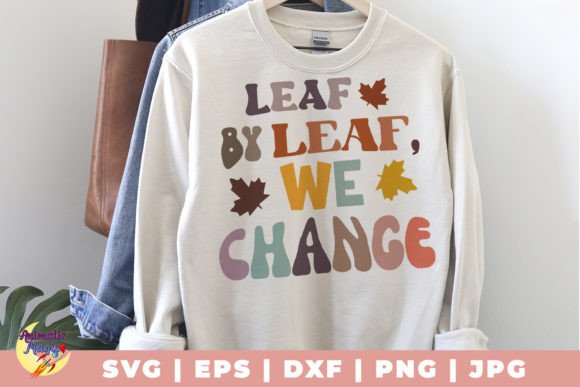
The design arrives with a clear identity. It is not loud or aggressive; instead, it offers a calm, reflective aesthetic. For those of us creating handmade products, mood is everything. A customer buying a custom tote or a personalized sweatshirt is often buying into a feeling. This quote fits seamlessly into the current trend of mindful living and slow fashion. Visually, the layout appears balanced, with the text and leaf motifs interacting rather than competing. In the realm of Crafts and Graphics, this kind of harmony is difficult to achieve without making the design feel static. Here, there is a sense of movement, implied by the title itself.
However, as an experienced reviewer, I look past the pretty preview. I ask myself: How will this behave when scaled down for a pocket logo or expanded for a back panel? The 15 x 15 inch size provided is generous, offering flexibility, but it also demands scrutiny regarding detail density. Large designs can sometimes hide poor vector construction, which becomes apparent only when you try to resize or convert them for machine use.
Real-World Application: The Tote Bag Test
To truly evaluate Leaf by Leaf, We Change SVG, Quote SVG, I imagined a specific scenario: a custom order for a local bookstore’s reusable tote bags. These are heavy canvas totes, intended for daily use. This is a classic tote bag design application. The natural texture of canvas pairs beautifully with organic themes. I visualized the quote stitched in earthy tones—olive greens, warm browns, and cream.
In this context, the design shines. The leaf elements provide a nice break from pure typography, adding visual interest that draws the eye. For an Etsy seller or small shop product line, this versatility is key. It is not just a quote; it is a graphic element that can stand alone or complement other branding. If I were producing this as a commercial embroidery run, I would appreciate the clarity of the lines. Clear lines mean fewer jumps and cleaner trim points, which directly impacts production speed and profit margins.
Stitching Considerations and Fabric Choices
Transitioning from a vector SVG to a physical stitch requires careful planning. While the product description lists it as an SVG for various creative projects, using it for embroidery means converting it into a proper machine embroidery design. This is where many beginners stumble. An SVG is a cut file or print file; it is not inherently an embroidery file with stitch types defined.
If you are digitizing this yourself or hiring a digitizer, pay close attention to stitch density. Leaves often tempt designers to use dense fill stitches to create depth. On a thick fabric like a hoodie or tote, this is fine. On a thin cotton tee or a silky pillow cover, however, heavy fill can cause puckering. I recommend using a combination of satin stitch for the outlines and lighter fills or even running stitch details for the interior veins of the leaves. This approach maintains the delicate nature of the "leaf by leaf" concept without weighing down the fabric.
Fabric texture plays a huge role here. On a textured linen or waffle-knit towel, fine details might get lost. In such cases, simplifying the smallest leaf elements might be necessary to ensure the message remains legible. Conversely, on smooth performance fabrics or high-thread-count sheets, the design will appear crisp and professional, elevating the perceived value of the finished product.
Navigating Challenges: Small Hoops and Dark Fabrics
Not every application will be straightforward. Let’s consider a personalized gift like a baby onesie or a cap. These items have limited real estate and often involve curved or stretchy surfaces. Placing a 15-inch design on a cap is impossible without significant resizing, which brings us to the issue of scalability. When you shrink complex graphics, small text can become illegible, and tight corners in the leaf shapes can cause thread breaks or bird nests.
For baby embroidery or small embroidered patch projects, I would advise isolating just the leaf motif or a shortened version of the quote. Always test the design on scrap fabric first. This is non-negotiable. Check how the thread colors contrast against the background. On dark fabrics, light threads pop, but you must ensure your stabilizer is robust enough to prevent the fabric from sinking into the stitches. A cut-away stabilizer is usually best for garments that will be washed frequently, ensuring the custom apparel retains its shape and the design remains intact over time.
Commercial Viability and Brand Consistency
For craft business owners, consistency is brand currency. Leaf by Leaf, We Change SVG, Quote SVG, offers a cohesive look that can be adapted across a product line. Imagine using the same design on a sweatshirt embroidery piece, a set of kitchen towels, and a series of printable mockups for your online store. This cross-platform usability strengthens brand recognition. Customers see the same aesthetic on your Instagram, your website, and the physical item they receive. This builds trust.
Moreover, the theme of change and growth is evergreen. It works for holiday embroidery gifts, particularly in autumn or spring, but also for year-round sales related to self-care, mental health awareness, or environmental causes. This broad appeal makes it a smart addition to a digital embroidery file library. It is not tied to a specific holiday, meaning it has a longer shelf life in your catalog.
Practical Designer Notes for Best Results
Before you commit to stitching this on a client’s expensive garment, keep these practical tips in mind:
- Verify Licensing: The description mentions use for creative projects, but always confirm if commercial rights are included for selling finished physical items versus reselling the digital file itself.
- Test Stitch Density: If digitizing, ensure the leaf areas do not overlap excessively with the text, which can create bulky, uneven surfaces.
- Contrast Check: View your design in black and white. If the leaves and text blend together without color, the design lacks sufficient contrast and may need adjustment.
- Hoop Size Selection: Choose the smallest hoop that comfortably fits the design to minimize fabric movement and registration errors.
- Stabilizer Choice: Match your stabilizer to your fabric. Heavy denim needs different support than lightweight rayon.
In conclusion, Leaf by Leaf, We Change SVG, Quote SVG, is a thoughtful addition to any designer’s toolkit. It bridges the gap between modern graphic design and traditional craft. With careful attention to digitization and fabric selection, it can elevate a simple item into a cherished keepsake. It invites the maker to slow down, much like the quote suggests, and appreciate the process of creation, one stitch at a time.