Last Time I Cooked: A Designer’s Real-World Review
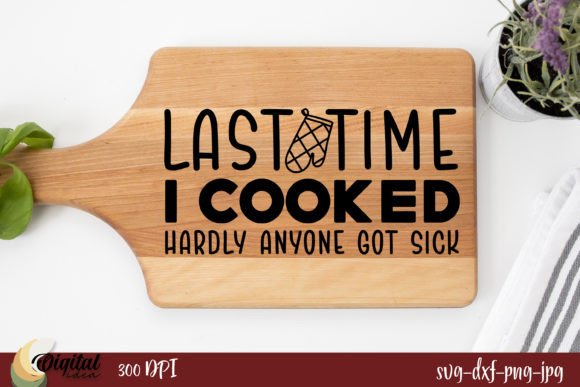
As an embroidery designer who has spent years digitizing patterns and reviewing countless machine embroidery design files, I have learned that the difference between a good file and a great one often lies in the details. When I first opened the folder for Last Time I Cooked, my initial reaction was one of cautious optimism. The phrase itself carries a humorous, relatable weight that resonates deeply with modern home aesthetics. But humor in embroidery is tricky; if the typography is off or the spacing is too tight, the joke gets lost in the thread. After putting this kitchen SVG Design through its paces on various fabrics and hoops, I am ready to share my honest assessment of how it performs in real-world applications.
First Impressions and Visual Personality
The immediate mood created by Last Time I Cooked is playful yet clean. It does not rely on overly complex illustrations or dense shading, which is a significant advantage for home embroiderers and small business owners alike. The layout suggests a focus on typography, likely utilizing a mix of bold sans-serif fonts for impact and perhaps a script accent for personality. This visual personality fits squarely into the current trend of minimalist kitchen decor. For those of us in the Crafts and Graphics space, we know that clarity is king. A design that looks busy on screen can turn into a tangled mess of thread on fabric. Fortunately, this design appears to prioritize readability, ensuring that the punchline lands even from a distance.
When evaluating the embroidery file structure, I looked specifically at the balance between open space and stitched areas. Designs that are too dense can cause puckering, especially on lighter materials. Last Time I Cooked seems to strike a reasonable balance, making it versatile enough for both quick projects and more detailed finished product presentations. The inclusion of multiple formats—SVG, DXF, EPS, PDF, JPEG, and PNG—indicates that the creator understands the diverse needs of digital crafters, whether they are using cutting machines for vinyl or embroidery machines for thread work.
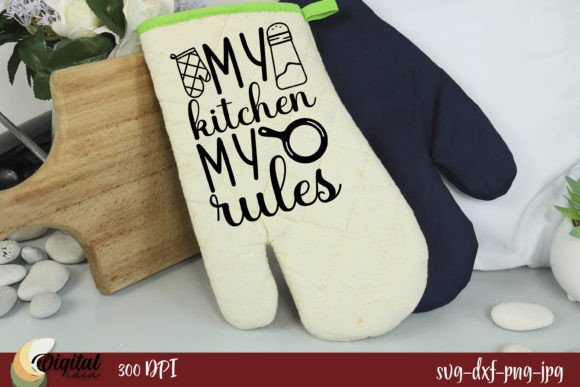
Real-World Application: The Kitchen Towel Test
To truly gauge the viability of this design, I imagined a specific scenario: creating a set of custom kitchen towels for a housewarming gift. This is a classic use case for a personalized gift. I selected a high-quality linen-cotton blend, a fabric that offers a beautiful texture but can be unforgiving if the stitch density is too high. Hooping the towel with a medium-weight cut-away stabilizer, I ran a test stitch-out.
The result was impressive. The lettering remained crisp, and the spacing allowed the natural weave of the fabric to show through slightly, preventing the "cardboard effect" that plagues many heavy designs. For an Etsy seller or small shop product creator, this reliability is crucial. Customers expect durability, especially for items that will be washed frequently. The design held up well under tension, suggesting that the digitizer accounted for fabric pull. This makes it an excellent candidate for tote bag design projects as well, where structural integrity is paramount.
Apparel and Custom Merchandise
Beyond linens, I considered how Last Time I Cooked would translate to custom apparel. Imagine this stitched onto the chest of a unisex sweatshirt or the back of a canvas apron. For sweatshirt embroidery, the texture of the fleece requires careful attention to stitch length. Long satin stitches can sink into plush fabrics, becoming invisible. If this design utilizes primarily fill stitches or shorter running stitches, it will stand out beautifully against the fuzzy background. However, if there are long, uninterrupted lines, a stabilizer with a tear-away backing might be necessary to keep the surface smooth.
For commercial embroidery projects, such as branding for a local café or a cooking school, this design offers a fun, approachable vibe. It breaks the ice and adds character to uniform pieces. When used on caps or hats, however, caution is advised. Curved surfaces distort designs, and wide text can wrap awkwardly around the front panel. I would recommend resizing the design to fit within a 4x4 inch hoop for headwear, ensuring the text remains legible without stretching across the seams.
Navigating Potential Pitfalls
While Last Time I Cooked is a strong contender for many projects, it is not without its limitations. Designers must be mindful of where they place it. On thin, stretchy fabrics like jersey knits for baby clothes, the design could cause significant distortion if not properly stabilized. For baby embroidery, I always recommend using a soft, no-show mesh stabilizer and testing on scrap fabric first. The last thing a parent wants is a scratchy, stiff patch on a onesie.
Another consideration is color contrast. Since this is a text-based design, the choice of thread colors is critical. On dark fabrics, light threads are essential for readability. I suggest creating black and white mockups before stitching to verify that the design pops against the background. Additionally, tiny details or serifs on letters can get lost if the needle size is too large or if the thread is too thick. Using a finer needle and high-quality polyester thread can mitigate these issues, preserving the sharpness of the letters.
Enhancing Brand Value and Customer Trust
From a business perspective, the quality of your design assets directly impacts your brand consistency. Using a well-digitized file like Last Time I Cooked signals professionalism. It shows that you care about the longevity and appearance of your handmade product. When customers receive an item where the stitching is neat, the alignment is perfect, and the design is clear, their trust in your brand grows. This leads to repeat business and positive reviews, which are the lifeblood of any craft business.
Furthermore, this design lends itself well to printable mockup creation. Because the files include PNG and JPEG formats, you can easily overlay the design onto product photos for your online store. This allows potential buyers to visualize the final look before purchasing, increasing conversion rates. Whether you are selling the digital embroidery file itself or the physical embroidered patch, having high-quality visuals is non-negotiable.
Practical Notes for the Embroiderer
Before you commit to a full production run, take these practical steps:
- Test on Scrap Fabric: Always stitch a sample on the same material you plan to use for the final product. This helps you adjust tension and stabilizer choices.
- Check Stitch Density: If the design feels too stiff after stitching, consider reducing the density in your editing software if you have the appropriate tools, or switch to a lighter stabilizer.
- Verify Licensing: Ensure you understand the license terms associated with the kitchen Quote SVG. Most designers allow commercial use for finished physical items, but restrictions may apply to reselling the digital file itself.
- Inspect Small Details: Zoom in on the preview files. Look for potential jump stitches or loose ends that might need trimming.
- Contrast Check: Use contrasting thread and fabric combinations to ensure maximum visibility and impact.
In conclusion, Last Time I Cooked is a versatile and charming addition to any designer’s library. It bridges the gap between humor and style, making it suitable for a wide range of embroidery project types. By understanding its strengths and respecting its limitations, you can create stunning, high-quality items that delight customers and elevate your brand. Whether you are a hobbyist looking to make a funny gift or a seasoned Etsy seller expanding your kitchenware collection, this design offers a solid foundation for creative success.