Grandpa Hug: A Designer’s Take on Sentimental Stitching
As an embroidery designer who has spent countless hours digitizing, testing, and critiquing files for real-world application, I approach every new machine embroidery design with a mix of curiosity and skepticism. We have all seen those cute, text-heavy quotes that look fantastic on a screen but turn into a tangled mess of thread breaks and puckering on fabric. That is why when I pulled up the Grandpa Hug file, my first instinct was not to immediately list it in my shop, but to put it through the paces of a practical review. This is not just about whether the image is pretty; it is about whether it holds up as a viable embroidery project for a small business owner or a hobbyist looking to create a lasting personalized gift.
First Impressions: Mood and Visual Personality
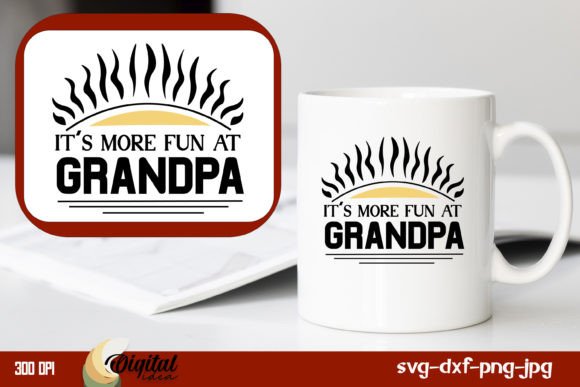
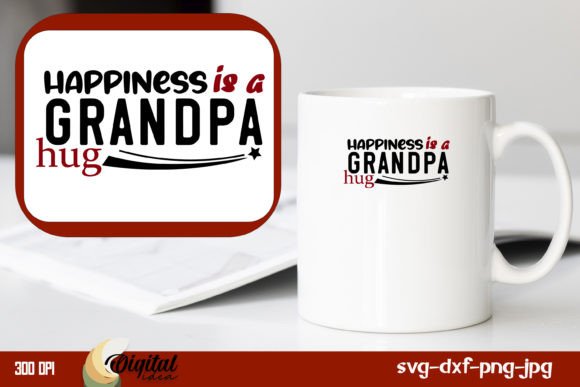
The immediate vibe of Grandpa Hug is warm, nostalgic, and undeniably sweet. It taps into that specific emotional niche of family bonding that sells incredibly well in the Crafts category. Visually, the design relies on clean lines and a balanced layout, which is crucial for embroidery. Unlike overly complex illustrations that require thousands of stitches and hours of machine time, this design feels approachable. It suggests a mood of comfort and safety, making it an ideal candidate for items associated with care and home life.
From a Graphics perspective, the clarity of the lines in the provided SVG and PNG previews suggests that the digitizer paid attention to readability. For us designers, this is the first green flag. If the vector paths are clean, the conversion to stitch data is usually more reliable. The theme is universal, which means it does not date quickly. It is not tied to a specific trend that will fade in six months; it is a classic sentiment that fits the "evergreen" criteria for any Etsy seller or boutique owner building a sustainable catalog.
Real-World Application: Where Does It Shine?
I decided to test the concept of Grandpa Hug by mentally placing it on several common substrates to see where it would perform best. The most obvious and successful application is sweatshirt embroidery. Imagine a heather grey crewneck with this design centered on the chest. The soft texture of the fleece complements the sentimental message perfectly. Because the design likely utilizes a mix of fill stitch for any solid shapes and satin stitch for borders or text, it would sit nicely on the plush surface without sinking in, provided the right stabilizer is used.
Another strong contender is the tote bag design. Canvas bags are sturdy and handle dense stitching well. A natural cotton tote with this quote embroidered in earthy tones—think olive green, mustard, or slate blue—would make a fantastic holiday gift or a year-round accessory for grandparents. It transforms a generic bag into a handmade product with soul. I can also see this working beautifully on a high-quality kitchen towel or apron, creating a cozy, domestic aesthetic that appeals to buyers looking for unique home goods.
For those interested in baby embroidery, this design could be adapted for a baby blanket or a onesie, perhaps scaled down slightly. However, one must be cautious with scale on infant clothing. The text needs to remain legible without becoming so small that the stitches merge into a blob. If the design includes fine details, it might be better suited for a larger item like a receiving blanket rather than a tiny sock or hat.
Technical Considerations and Fabric Choices
While Grandpa Hug is versatile, it is not a "one-size-fits-all" solution for every fabric type. As a reviewer, I must highlight where caution is needed. If you are planning to use this on stretchy fabrics like jersey knits for t-shirts, you absolutely need a cut-away stabilizer. The weight of the embroidery, especially if there are dense areas, can cause lightweight knits to warp or pucker if not properly supported. I always advise testing on scrap fabric first. Do not assume the default settings will work; check the stitch density in your software.
Curved surfaces present another challenge. Embroidering this on a cap requires careful hooping and possibly a different backing material. If the design has wide elements, it might not conform well to the curve of a baseball cap without distortion. In such cases, consider resizing or checking if the design has been specifically optimized for hats. Similarly, avoid using this on very thin, silky fabrics unless you are an experienced embroiderer comfortable with using water-soluble toppings to prevent the stitches from pulling the fabric.
Color choice plays a massive role in the final impact. On dark fabrics, ensure that the thread colors have enough contrast. A navy thread on a black shirt will vanish. Conversely, on light fabrics, avoid threads that are too pale unless you are going for a subtle, tonal look. I recommend creating printable mockup versions in black and white first to check the contrast and balance of the design elements before committing to expensive threads.
Commercial Viability for Small Shops
For the craft business owner, time is money. A design like Grandpa Hug is valuable because it is likely quick to stitch compared to large, photo-realistic designs. This efficiency allows for higher profit margins on items like custom apparel or embroidered patches. Since the product description mentions a zip folder with SVG, DXF, EPS, PDF, JPEG, and PNG formats, you have flexibility. While the embroidery machine uses the PES, DST, or other machine-specific formats (which you should verify are included or compatible with your machine), the SVG and PNG files are invaluable for marketing.
You can use the PNGs for social media posts, website banners, and digital embroidery file previews. The SVG can be used for cutting vinyl if you want to offer a mixed-media product, such as a shirt with embroidered text and a vinyl graphic element. This versatility increases the perceived value of the purchase. However, always confirm the licensing terms. Just because you bought the file does not automatically mean you can sell unlimited physical products. Check if it is for personal use only or if commercial rights are included for your small shop product line.
Final Verdict and Designer Notes
In conclusion, Grandpa Hug is a solid addition to any designer’s library, particularly for those focusing on family-oriented and gift-based markets. It strikes a good balance between emotional appeal and technical feasibility. It is not overly complex, which reduces the risk of production errors, yet it is distinctive enough to stand out in a crowded marketplace.
Before you start stitching, here are my final practical notes:
- Test on scraps: Always run a test stitch-out on the same fabric and stabilizer combination you plan to use for the final product.
- Check hoop size: Ensure the design fits comfortably within your hoop with adequate margin for clamping.
- Review stitch types: Look for excessive jump stitches or dense underlay that might need editing in your software.
- Contrast is key: Choose thread colors that pop against your fabric to ensure readability and visual impact.
- Verify formats: Confirm that the zip folder contains the specific machine format your embroidery machine reads.
When used correctly, this design can elevate a simple piece of fabric into a cherished keepsake. It is a reminder that in the world of commercial embroidery and handmade goods, the best designs are those that connect emotionally while performing technically. Grandpa Hug achieves this connection, making it a worthy candidate for your next finished product lineup.